




Last Updated:
International Day of Banks highlights how banks play an important role in supporting the long-term growth of countries and the world.


International Day of Banks is observed annually on December 4.
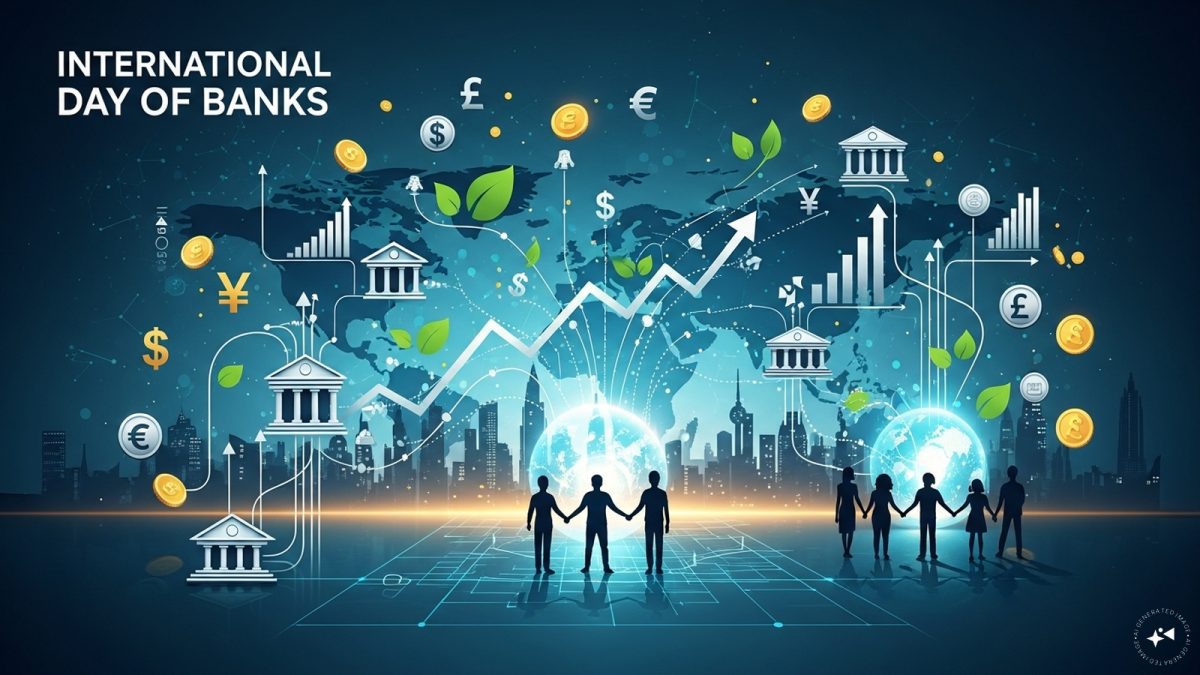
International Day Of Banks 2025: The International Day of Banks is observed on December 4 every year to recognise the important role the institution plays in supporting economic growth and stability around the world. The day highlights how banks, national financial institutions, and multilateral development banks fund projects that influence global development, reduce inequality, and improve living standards.
It also commemorates the 2015 United Nations General Assembly resolution 74/245, adopted on December 19, 2019.
The observance emphasises how banking systems contribute to sustainable development. By financing infrastructure, social services, and innovative projects, banks help nations achieve long-term economic progress.
International Day of Banks reminds people that these institutions do far more than just handling everyday money transactions; they are vital for national and global development.
International Day of Banks 2025: History and Significance
The day was created to focus attention on the banking sector and its role in maintaining economic stability and development. Historically, banks and financial institutions have been central to funding large projects, energy-efficient initiatives, and social programs.
Banks also play a key role in bridging financial gaps necessary for achieving Sustainable Development Goals (SDGs). By investing in critical areas like education, healthcare, and infrastructure, banks support both social and economic progress, highlighting their influence on the wider global economy.
Role of Banks in Global Economic Development
Banks are more than places to save money. They are central to how economies grow and stay stable. Their work affects financial inclusion, job creation, and the overall health of the economy.
Financial Intermediation: The Heart of Banking and Economic Growth
A key function of banks is financial intermediation. They collect deposits from people and lend this money to individuals, businesses, and governments. This credit supports the building of roads, schools, hospitals, and other essential infrastructure. Such projects create jobs and boost productivity, making credit availability a major driver of development.
Access to Credit and Support for SMEs
Small and medium-sized enterprises (SMEs) depend heavily on bank loans but often struggle to secure them. Through microfinance and small business loans, banks help these businesses grow. Institutions like Grameen Bank in Bangladesh show how access to small loans can lift communities and support local economies.
Financial Inclusion: Reducing Poverty and Boosting Growth
Banks also help bring financial services to underserved communities. When people have access to savings accounts, credit, and insurance, they gain better economic stability. Mobile banking has made this even easier, especially in rural regions, allowing more people to participate in the economy.
Banking and Infrastructure Development: The Power of Investments
Large projects such as bridges, airports, and power plants depend on long-term bank financing. Public-private partnerships in countries like India and China rely on banks to bring in both public and private investment.
Investment Banking: Supporting Economic Expansion and Capital Formation
Investment banks raise funds for companies through stocks and bonds. This helps businesses expand, innovate, and hire more workers. Strong capital markets fuel national and global economic growth.
 Click here to add News18 as your preferred news source on Google.
 December 04, 2025, 07:08 IST
Read More
